
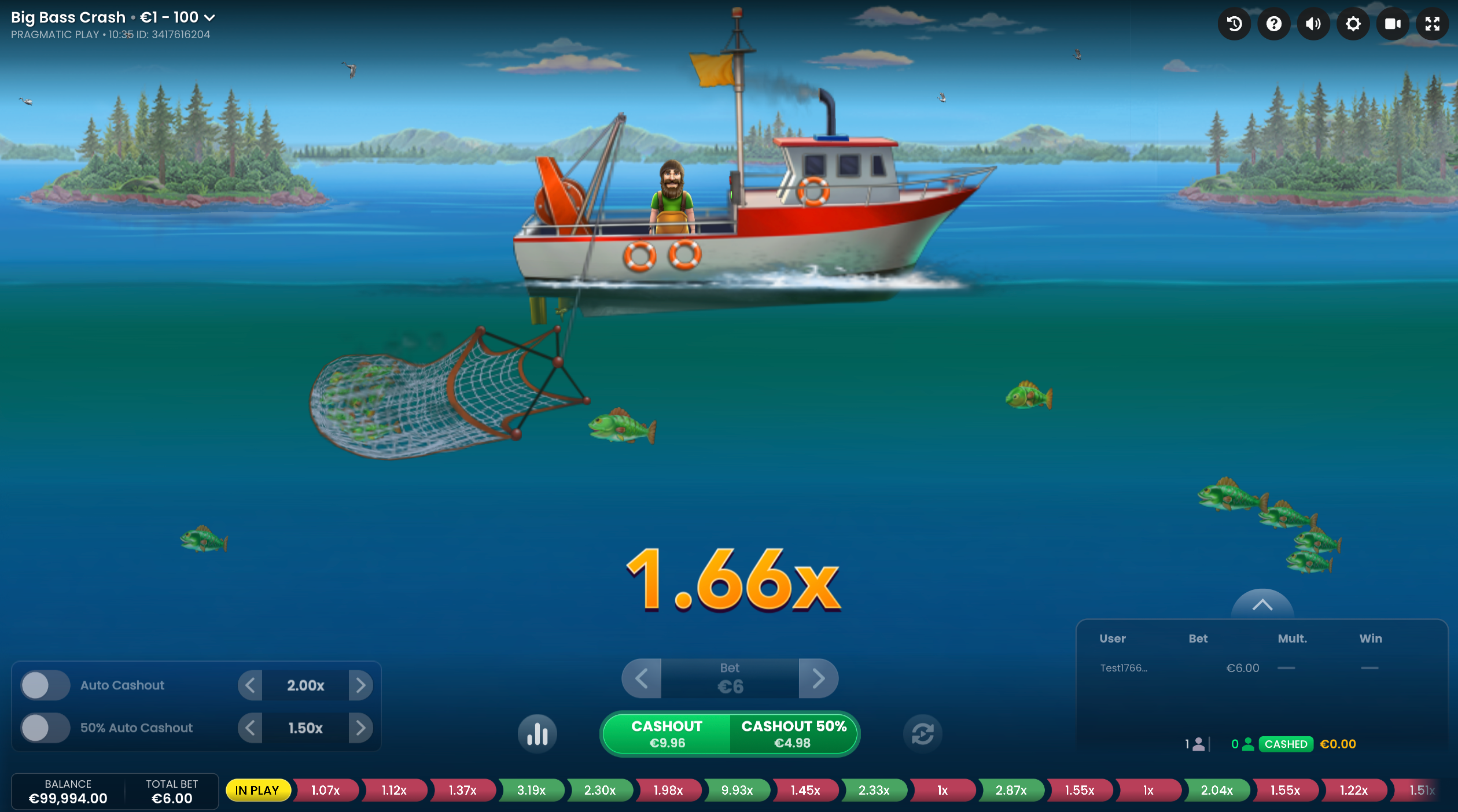
We address mental health in terms of therapy, medication, and mindfulness apps, but often ignore the casual digital spaces where people actually go to unwind. A growing trend in crash-style games, with titles like Big Bass Crash Game leading the pack, forms a controversial but real crossroads with mental well-being. Nobody is suggesting a casino game replaces professional help. Yet ignoring the role these quick, absorbing digital experiences play in the daily emotional routines of many people feels like an oversight. In the UK, where NHS therapy waiting lists can last for months, people are finding interim ways to cope. This article explores that complicated relationship. We’ll move past simple judgment to examine the psychological mechanics—the pull of anticipation, the catharsis of a crash, and the risks of leaning on these tools. We’ll explore how such games act as a digital pressure valve, their dangers, and where they might fit, if they fit at all, within a sensible approach to self-care.
Deciphering the Attraction: Beyond Gambling
Regarding Big Bass Crash Game purely as gambling ignores a large part of its psychological pull. The mechanic is clear: a multiplier climbs from 1x upward, and you need to cash out before it randomly “bursts.” This blend produces a powerful cognitive engagement. It demands a keen, singular focus that can cut through patterns of worry, creating a short-term flow state. The visual and sound feedback—the climbing curve, the underwater theme, the growing sounds—delivers absorbing sensory stimulation. For someone facing stress, a few minutes of this complete absorption can give a true break. It’s akin to browsing social media or playing a casual mobile game, but with a stronger, moment-to-moment grip. The outcome is win-or-lose, but the process engages you. For many users, the lure is this captivating escape, the possibility to be completely in a moment separate from daily strain, not just the possible payout. That difference matters if we aim to honestly understand its role in our digital lives.
The Inherent Risks and Financial Stress Multiplier
An unbiased review must place the significant risks at the forefront, with economic injury being the most obvious. The fundamental layout of a crash game is built on variable ratio reinforcement. This is the same schedule that makes slot machines extremely habit-forming. Wins are erratic in size and timing, a pattern that powerfully reinforces habit. The chance to turn emotional pressure into tangible economic loss is the main hazard. A session started to calm nerves can, in minutes, generate a new, intense source of it through monetary loss. This establishes a harmful loop: stress leads to play, play leads to loss, loss leads to greater stress, which then appears to call for more play as a solution. Furthermore, the game’s theme is frequently cheerful, colorful, and tied to leisure activities like fishing. That disguise reduces natural restraint. Let’s be clear: using a economically hazardous game as an mood stabilizer is like using a leaking vessel to drain water. It may provide you a temporary impression of being productive, but it fundamentally makes the situation worse, adding a concrete, harmful issue to the emotional ones you already had.
Light Engagement vs. Harmful Play: Defining the Threshold
Identifying the line between light use and a problematic relationship with games like Big Bass Crash Game is the central public health question. Recreational play might mean playing with small stakes for short periods as a diversion, much like a game of a mobile puzzle game. Problematic engagement starts when the game shifts from a leisure activity to a emotional support. Look for these indicators: pursuing losses to address a financial difficulty the game generated, using play to regularly numb sensations like sadness or anger, avoiding obligations or relationships for lengthy periods, and becoming agitated or tense when you can’t play. The game’s mechanics, with its fast-paced sessions and instant feedback, is particularly effective at fostering dependency. In a mental health framework, when someone starts depending on the game’s dopamine cycle to manage mood or avoid reality frequently, it passes a threshold. It becomes a psychological support that can cause underlying issues like nervousness or despair more pronounced, while adding new financial strain on top.
The Science Behind Anticipation and Release
The core mechanism of the crash game experience revolves around the cycle of anticipation and release. In our brains, awaiting a potential reward triggers dopamine, a chemical linked to pleasure and motivation. The climbing multiplier in Big Bass Crash Game serves as a pure, visual representation of that building tension. Deciding when to cash out entails a gut-level risk assessment that provides a sense of agency and control, even if it’s partly an illusion. Then comes the release. Cashing out successfully provides a small win, a hit of accomplishment. Letting it crash delivers a cathartic release of all that built-up tension. This cycle can regulate emotions in the short term. It forms a neat emotional arc with a clear start, middle, and end—something real-life stress rarely provides. For people experiencing emotionally numb or out of sorts, this engineered journey can give a temporary sense of feeling something. The danger lies right here. The brain can begin to crave this artificial regulatory cycle, which may result in problematic use if it becomes a primary tool for managing mood.
Big Bass Crash titul as a digitální ventil pro uvolnění tlaku
View Big Bass Crash Game as a digitální ventil pro uvolnění tlaku—a prostředek for the krátkodobé uvolnění of psychologického tlaku. The mechanism works for a několik důvodů. Jednotlivá kola jsou krátká, offering a defined escape window that feels ovladatelné and nepravděpodobné, že by pohltilo a whole day. The required focus forces a změnu myšlení, breaking loops of negativních či vtíravých myšlenek. The emotional payoff, whether you vyhrajete nebo prohrajete, provides a ukončení, a konec in a stressful ongoing story. For someone zahlcený by prací, rodinným tlakem či běžnou úzkostí, a pětiminutové kolo can act as a záměrná mentální přestávka. It’s a controlled environment where the rizika are, in teorii, set by the player. That’s unlike the uncontrollable stakes of real-life problems. But the zásadní chyba in relying on this nástroj is its potenciál ke korozi. Just like a mechanical pressure valve can wear out and fail if used too much, psychologická závislost on this formu uvolnění can ztratit svůj účinek. You might need to use it more often or raise the stakes to get the stejnou úlevu, zrychlujíc the journey from způsob vyrovnávání se to kompulzivní problém.
The UK’s Mental Health Landscape and Digital Coping
The condition of the UK’s mental health services is the key backdrop here. Elevated demand and overburdened resources mean NHS talking therapy waiting lists often extend for months. People in distress get caught in a challenging limbo. It’s in this gap that digital coping mechanisms, both healthy and less so, develop. People will find ways to manage their symptoms. The accessibility of online games like Big Bass Crash Game is unmatched: available all day and night, needing no referral, offering instant (if fleeting) relief. This creates a complicated public health picture. We can’t call these games therapeutic solutions. But we have to recognize they are being used as de-facto coping tools by a population trapped in a system that can’t offer immediate support. This isn’t an endorsement. It’s a realistic observation. The task for health professionals and policymakers is to grasp this reality. The work involves promoting better digital literacy and access to low-risk, evidence-based interim supports, while also overseeing high-risk products that take advantage of this vulnerability.
Healthier Digital Alternatives for Mental Pauses
If the aim is a quick mental break or a way to calm your emotions, many digital alternatives have little to no financial risk and have proven benefits. The key is intentionality. You pick an activity that serves the need for a pause without adding new harms. It’s worth creating your own personal toolkit of such apps and practices. For example, mindfulness apps like Headspace or Calm deliver guided breathing and meditation exercises intended to lower your heart rate and calm your nerves. Simple puzzle games, the kind without constant monetization like match-3 or logic puzzles, can provide cognitive distraction and a pure sense of accomplishment. Journaling apps give space for processing feelings without risk. Even spending time on creative platforms for digital drawing or music can help you reach a flow state. The advantage of these alternatives is their design purpose: to enhance well-being, not to take advantage of psychological weak spots for profit. Building a habit of resorting to these resources during moments of stress, instead of a financially risky game, is a essential skill for mental health in the digital age.
Creating a Personalised Non-Risk Toolkit
Putting this toolkit together needs a small amount of initial setup, which can itself feel like an empowering act of self-care. Try this hands-on, step-by-step approach.
Step 1: Determination and Curation
Start by specifying the specific need https://bigbasscrash.uk/. Do you want to calm down, to distract yourself, to express an emotion, or to re-energize? Then, pick 2-3 apps or activities for each category. Test them when you’re feeling calm to see what actually functions for you.
Step 2: Availability and Environment
Ensure these tools easier to find than the riskier option. Put their icons on your phone’s home screen. Set a gentle reminder to use a breathing app for one minute three times a day to develop the habit. Create a physical spot that’s ideal for a quick break, like a comfortable chair with your headphones nearby.
Step 3: Contemplation and Iteration
After you try a tool, take a second to consider. Did it help? Why or why not? Your needs will evolve, so let your toolkit change with them. The goal isn’t perfection. It’s about having a healthier and more effective option ready when the impulse for an escape hits.
When to Look for Professional Help: Identifying the Limits
It’s vital to understand the hard limits of any digital coping tool, be it a meditation app or a casual game. These are coping methods, not cures for underlying mental health conditions. You must spot when professional intervention is needed. Key signs include persistent feelings of sadness, anxiety, or emptiness that get in the way daily life; significant, lasting changes to sleep or appetite; realizing you are using more of any coping mechanism (including games, alcohol, or other substances) just to cope with the day; and having thoughts of self-harm or suicide. In the UK, your first step is typically your GP. They can go over options and refer you to NHS services. Charities like Mind and Samaritans offer immediate, confidential support. Choosing to seek help is a sign of strength. It’s the most powerful step toward lasting well-being. Using games like Big Bass Crash Game as a stopgap while on a waiting list is one scenario. Using them to ignore symptoms that need professional attention is a dangerous path.
Fostering a Well-rounded Digital Lifestyle for Mental Health
The ongoing aim is to build a balanced digital diet, a deliberate approach to the tech we use and how it influences our mental state. This includes three things: audit, balance, and intentionality. Start by auditing your digital habits. Which apps do you open when you’re bored, stressed, or lonely? How do they make you feel during use, and more critically, afterwards? Next, work on balance. Just as a good food diet features different groups, a healthy digital diet should blend different types of activity: some for socializing (like messaging a friend), some for growth, some for pure fun, and some particularly for mental wellness. The final part is purposefulness. Make a deliberate choice about what to use and for how long, instead of habitually scrolling or tapping. This could mean using screen-time limits, setting a “digital curfew” in the evening, or just hesitating before you open an app to ask yourself, “What do I actually need right now?” This framework helps you take back control. It makes sure your digital tools serve you, rather than you serving the addictive loops built into them.